Apricot vs. Mushroom
Nutrition comparison of Apricot and Mushroom
Ever wonder how your favorite foods stack up against each other in terms of nutrition?
We compared the nutritional contents of
apricot
versus
mushroom
(100g each)
below using 2020 USDA and NIH data[1].
For a quick recap of significant nutrients and differences in apricot and mushroom:
- Both apricot and mushroom are high in potassium.
- Apricot has signficantly more Vitamin A than mushroom.
- Mushroom has 3.6 times less sugar than apricot.
- Mushroom has 54% less calories than apricot.
- Mushroom has 71% less carbohydrates than apricot.
- Mushroom has more thiamin, riboflavin, niacin, pantothenic acid and Vitamin B12.
USDA sources for nutritional information: Apricot (Apricots, raw) and Mushroom (Mushrooms, white, raw) . Have a correction or suggestions? Shoot us an email.
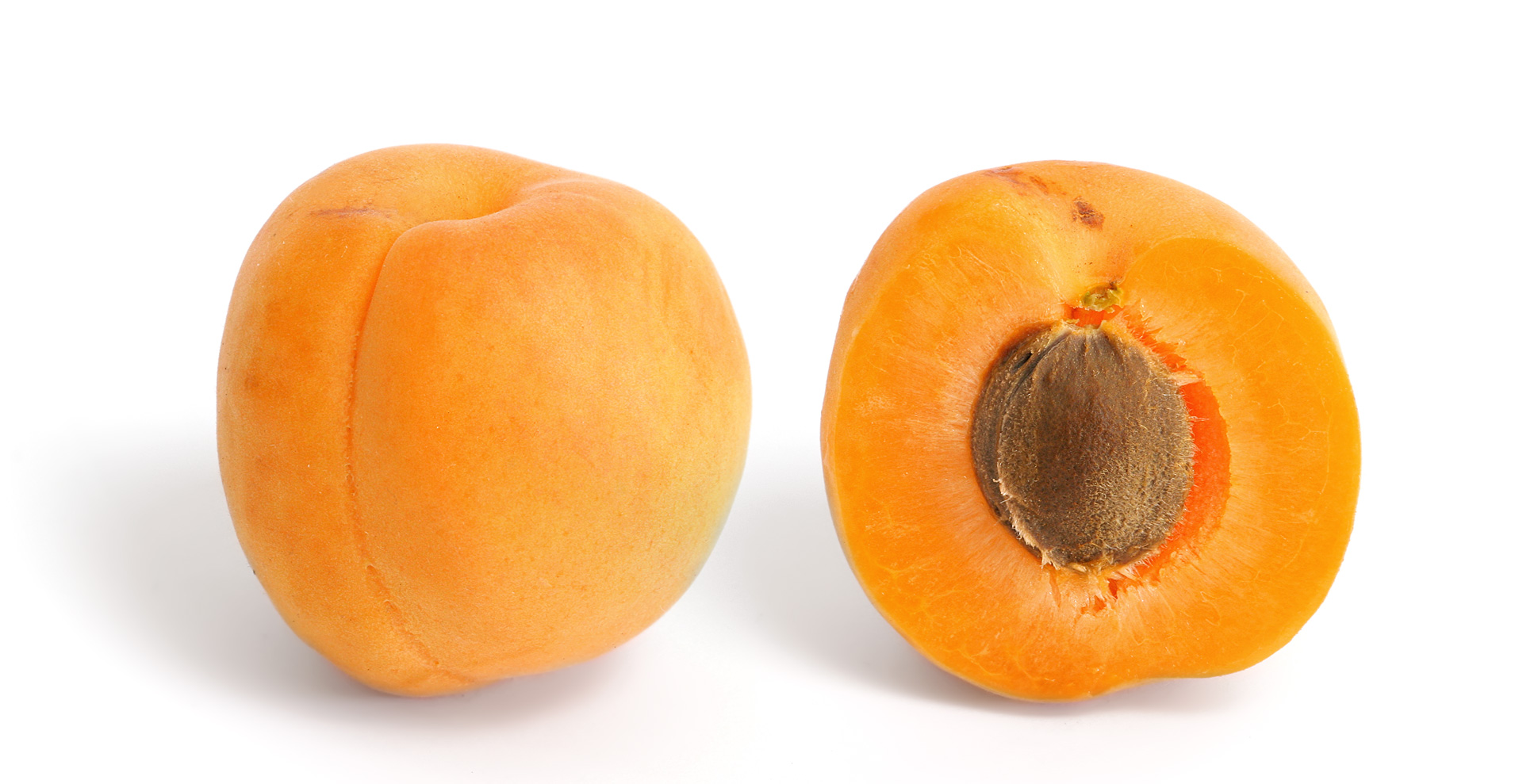
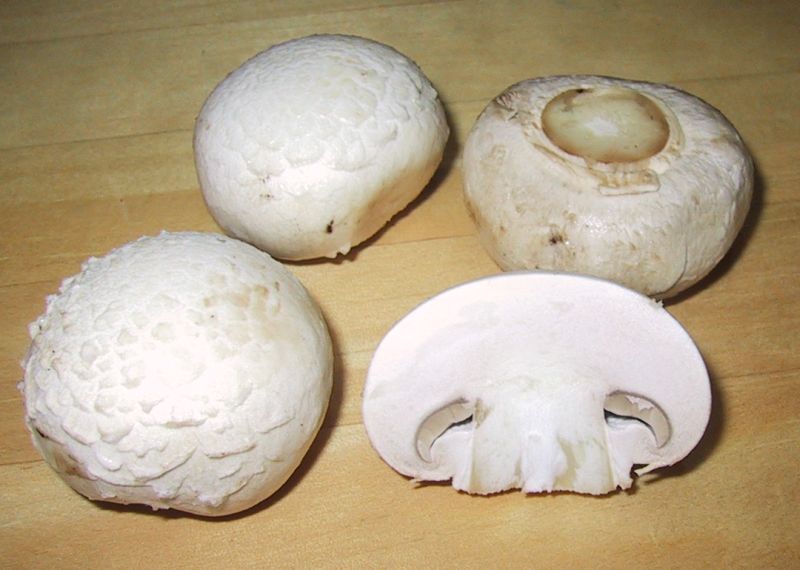
Calories and Carbs
calories
Mushroom has 54% less calories than apricot - apricot has 48 calories per 100 grams and mushroom has 22 calories.
For macronutrient ratios, apricot is much lighter in protein, much heavier in carbs and similar to mushroom for fat. Apricot has a macronutrient ratio of 11:83:7 and for mushroom, 44:47:9 for protein, carbohydrates and fat from calories.
Macro Ratios from Calories:
| Apricot | Mushroom | |
|---|---|---|
| Protein | 11% | 44% |
| Carbohydrates | 83% | 47% |
| Fat | 7% | 9% |
| Alcohol | ~ | ~ |
carbohydrates
Mushroom has 71% less carbohydrates than apricot - apricot has 11.1g of total carbs per 100 grams and mushroom has 3.3g of carbohydrates.
The carbs in apricot are made of 82% sugar and 18% dietary fiber, whereas the carbs in mushroom comprise of 66% sugar and 34% dietary fiber.
dietary fiber
Apricot has 100% more dietary fiber than mushroom - apricot has 2g of dietary fiber per 100 grams and mushroom has 1g of dietary fiber.
sugar
Mushroom has 3.6 times less sugar than apricot - apricot has 9.2g of sugar per 100 grams and mushroom has 2g of sugar.
Protein
protein
Mushroom has 121% more protein than apricot - apricot has 1.4g of protein per 100 grams and mushroom has 3.1g of protein.
Fat
saturated fat
Both apricot and mushroom are low in saturated fat - apricot has 0.03g of saturated fat per 100 grams and mushroom has 0.05g of saturated fat.
Vitamins
Vitamin C
Apricot has 376% more Vitamin C than mushroom - apricot has 10mg of Vitamin C per 100 grams and mushroom has 2.1mg of Vitamin C.
Vitamin A
Apricot has signficantly more Vitamin A than mushroom - apricot has 96ug of Vitamin A per 100 grams and mushroom does not contain significant amounts.
Vitamin D
Mushroom has more Vitamin D than apricot - mushroom has 7iu of Vitamin D per 100 grams and apricot does not contain significant amounts.
Vitamin E
Apricot and mushroom contain similar amounts of Vitamin E - apricot has 0.89mg of Vitamin E per 100 grams and mushroom has 0.01mg of Vitamin E.
Vitamin K
Apricot and mushroom contain similar amounts of Vitamin K - apricot has 3.3ug of Vitamin K per 100 grams and mushroom does not contain significant amounts.
The B Vitamins
Mushroom has more thiamin, riboflavin, niacin, pantothenic acid and Vitamin B12. Both apricot and mushroom contain significant amounts of Vitamin B6 and folate.
| Apricot | Mushroom | |
|---|---|---|
| Thiamin | 0.03 MG | 0.081 MG |
| Riboflavin | 0.04 MG | 0.402 MG |
| Niacin | 0.6 MG | 3.607 MG |
| Pantothenic acid | 0.24 MG | 1.497 MG |
| Vitamin B6 | 0.054 MG | 0.104 MG |
| Folate | 9 UG | 17 UG |
| Vitamin B12 | ~ | 0.04 UG |
Minerals
calcium
Apricot has 333% more calcium than mushroom - apricot has 13mg of calcium per 100 grams and mushroom has 3mg of calcium.
iron
Apricot and mushroom contain similar amounts of iron - apricot has 0.39mg of iron per 100 grams and mushroom has 0.5mg of iron.
potassium
Both apricot and mushroom are high in potassium. Mushroom has 23% more potassium than apricot - apricot has 259mg of potassium per 100 grams and mushroom has 318mg of potassium.
Omega-3 and Omega-6
omega 6s
Comparing omega-6 fatty acids, mushroom has more linoleic acid than apricot per 100 grams.
| Apricot | Mushroom | |
|---|---|---|
| linoleic acid | 0.077 G | 0.16 G |
| Total | 0.077 G | 0.16 G |
Customize your serving size
The comparison below is by common portions, e.g. cups, packages. You can also see a more concrete comparison by weight at equal weight (by grams) comparison.
Apricot g
()
|
Daily Values (%) |
Mushroom g
()
|
|||||
|---|---|---|---|---|---|---|---|
| KCAL % |
|
5% | calories | 5% |
|
KCAL % | |
| G % |
|
5% | carbohydrates | 5% |
|
G % | |
| G % |
|
5% | dietary fiber | 5% |
|
G % | |
| G | 5% | sugar | 5% | G | |||
| G % |
|
5% | total fat | 5% |
|
G % | |
| G % |
|
5% | saturated fat | 5% |
|
G % | |
| G | 5% | monounsaturated fat | 5% | G | |||
| G | 5% | polyunsaturated fat | 5% | G | |||
| G | 5% | trans fat | 5% | G | |||
| MG | 5% | cholesterol | 5% | MG | |||
| MG % |
|
5% | sodium | 5% |
|
MG % | |
| 5% | Vitamins and Minerals | 5% | |||||
| UG % |
|
5% | Vitamin A | 5% |
|
UG % | |
| MG % |
|
5% | Vitamin C | 5% |
|
MG % | |
| IU % |
|
5% | Vitamin D | 5% |
|
IU % | |
| MG % |
|
5% | calcium | 5% |
|
MG % | |
| MG % |
|
5% | iron | 5% |
|
MG % | |
| MG % |
|
5% | magnesium | 5% |
|
MG % | |
| MG % |
|
5% | potassium | 5% |
|
MG % | |
| MG % |
|
5% | thiamin (Vit B1) | 5% |
|
MG % | |
| MG % |
|
5% | riboflavin (Vit B2) | 5% |
|
MG % | |
| MG % |
|
5% | niacin (Vit B3) | 5% |
|
MG % | |
| MG % |
|
5% | Vitamin B6 | 5% |
|
MG % | |
| MG % |
|
5% | pantothenic acid (Vit B5) | 5% |
|
MG % | |
| UG % |
|
5% | folate (Vit B9) | 5% |
|
UG % | |
| UG % |
|
5% | Vitamin B12 | 5% |
|
UG % | |
| MG % |
|
5% | Vitamin E | 5% |
|
MG % | |
| UG % |
|
5% | Vitamin K | 5% |
|
UG % | |
| G % |
|
5% | protein | 5% |
|
G % | |
| UG % |
|
5% | biotin (Vit B7) | 5% |
|
UG % | |
| MG % |
|
5% | choline | 5% |
|
MG % | |
| MG % |
|
5% | chlorine | 5% |
|
MG % | |
| UG % |
|
5% | chromium | 5% |
|
UG % | |
| MG % |
|
5% | copper | 5% |
|
MG % | |
| UG % |
|
5% | fluoride | 5% |
|
UG % | |
| UG % |
|
5% | iodine | 5% |
|
UG % | |
| MG % |
|
5% | manganese | 5% |
|
MG % | |
| UG % |
|
5% | molybdenum | 5% |
|
UG % | |
| MG % |
|
5% | phosphorus | 5% |
|
MG % | |
| UG % |
|
5% | selenium | 5% |
|
UG % | |
| MG % |
|
5% | zinc | 5% |
|
MG % | |
| G | 5% | Water | 5% | G | |||
| G | 5% | Starch | 5% | G | |||
| G | 5% | Alcohol | 5% | G | |||
FAQ
Does apricot or mushroom contain more calories in 100 grams?Mushroom has 50% less calories than apricot - apricot has 48 calories in 100g and mushroom has 22 calories.
Is apricot or mushroom better for protein?
Mushroom has 120% more protein than apricot - apricot has 1.4g of protein per 100 grams and mushroom has 3.1g of protein.
Does apricot or mushroom have more carbohydrates?
By weight, mushroom has 70% fewer carbohydrates than apricot - apricot has 11.1g of carbs for 100g and mushroom has 3.3g of carbohydrates. the carbs in apricot are made of 80% sugar and 20% dietary fiber, whereas the carbs in mushroom comprise of 70% sugar and 30% dietary fiber.
Does apricot or mushroom contain more potassium?
Both apricot and mushroom are high in potassium. Mushroom has 20% more potassium than apricot - apricot has 259mg of potassium in 100 grams and mushroom has 318mg of potassium.